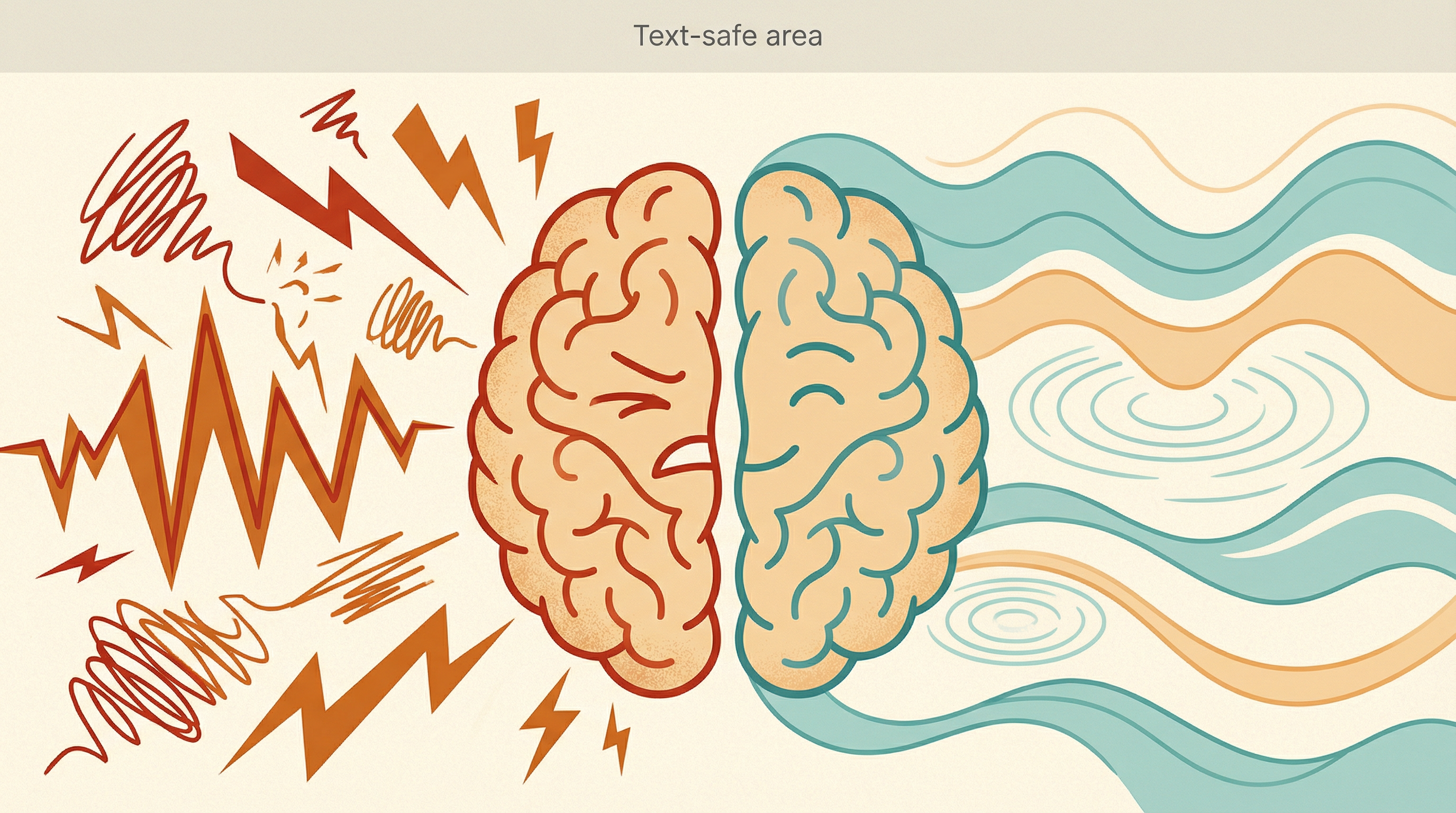
What Is Brain Fog? Causes, Symptoms & Science-Backed Solutions
A comprehensive breakdown of what brain fog actually is, every major cause, and the evidence-based strategies that genuinely clear it.
Read article →Science-backed insights on brain health, focus, memory, and cognitive performance.

Filter by topic
A comprehensive breakdown of what brain fog actually is, every major cause, and the evidence-based strategies that genuinely clear it.
Read article →Morning brain fog is common, but not inevitable — here's the science behind why your mind is slow to start and how to fix it fast.
Read article →Post-meal mental slowdown is driven by blood sugar spikes and gut-brain signaling — and it's entirely preventable once you know the mechanism.
Read article →The symptoms overlap in frustrating ways, but the underlying biology is distinct — here's how to tell them apart and why it matters for treatment.
Read article →Prolonged cortisol elevation directly degrades the prefrontal cortex — the exact region responsible for focus, decision-making, and clear thinking.
Read article →Cutting through the noise: ten interventions with genuine peer-reviewed evidence behind them, ranked by accessibility and speed of effect.
Read article →Hormonal shifts after 40 can cloud thinking, but "normal aging" is often used as a cover for fixable biochemical problems — here's what's really happening.
Read article →Caffeine masks fatigue by blocking adenosine receptors, but the debt accumulates — and for many people it deepens the very fog it seems to lift.
Read article →An interactive checklist to identify which specific pattern of brain fog you're dealing with, and which targeted interventions are most likely to help.
Read article →A definitive breakdown of age-related memory changes — hippocampal decline, BDNF, sleep — and every evidence-backed strategy for reversing them.
Read article →Forgetting names isn't a memory failure — it's an encoding failure. Here's the neuroscience and the techniques that make names stick.
Read article →Memory consolidation happens during sleep — specifically slow-wave and REM stages. Here's the science and what disrupts it most.
Read article →BDNF is the molecular fertiliser your brain needs to form and hold memories — and its levels respond dramatically to the right lifestyle changes.
Read article →A reassuring, evidence-based guide for anyone worried about memory changes — with a clear framework for when to act and when to relax.
Read article →Working memory — the brain's mental scratchpad — is highly trainable. Here are the evidence-backed methods that produce real, lasting improvement.
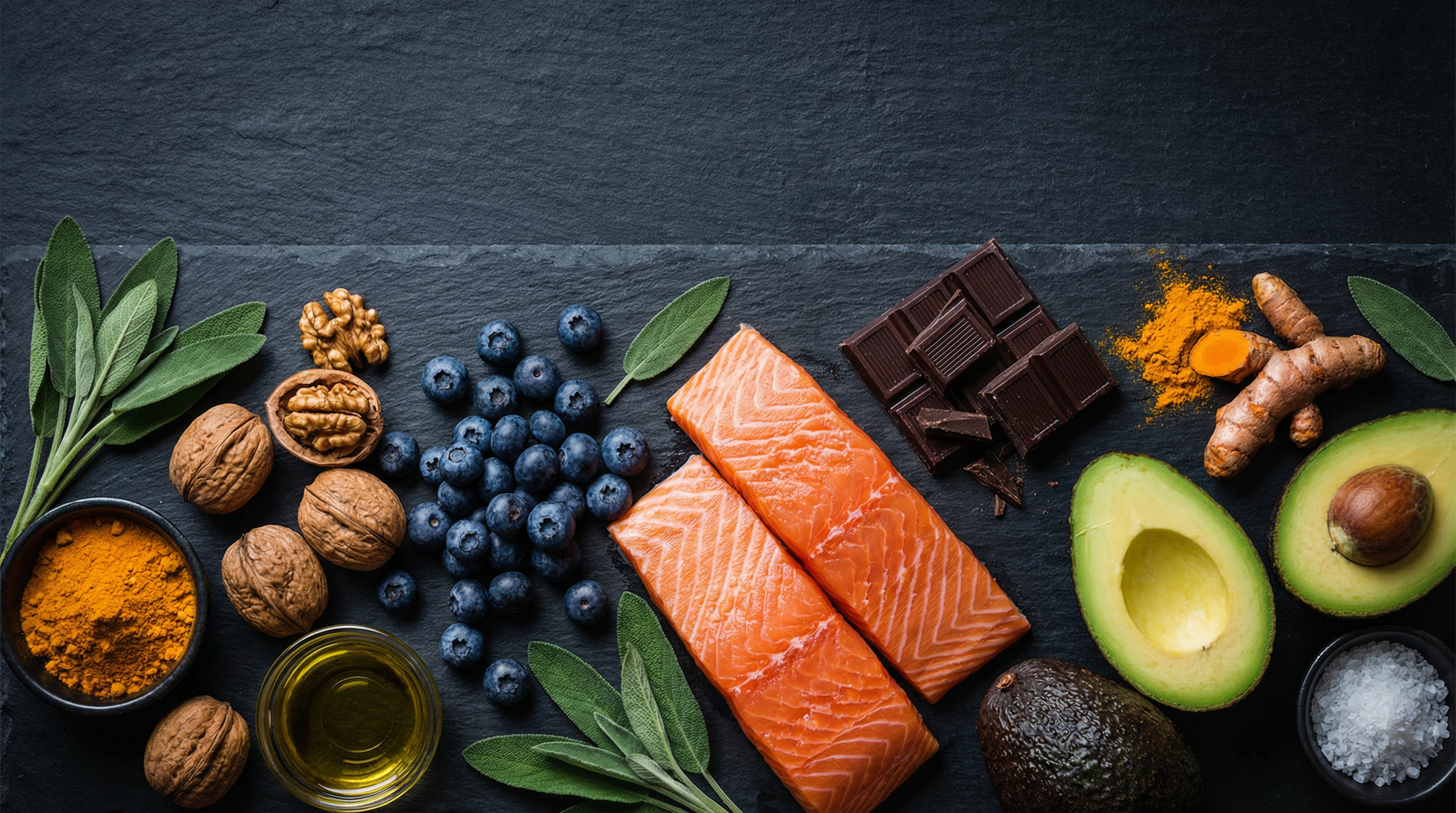
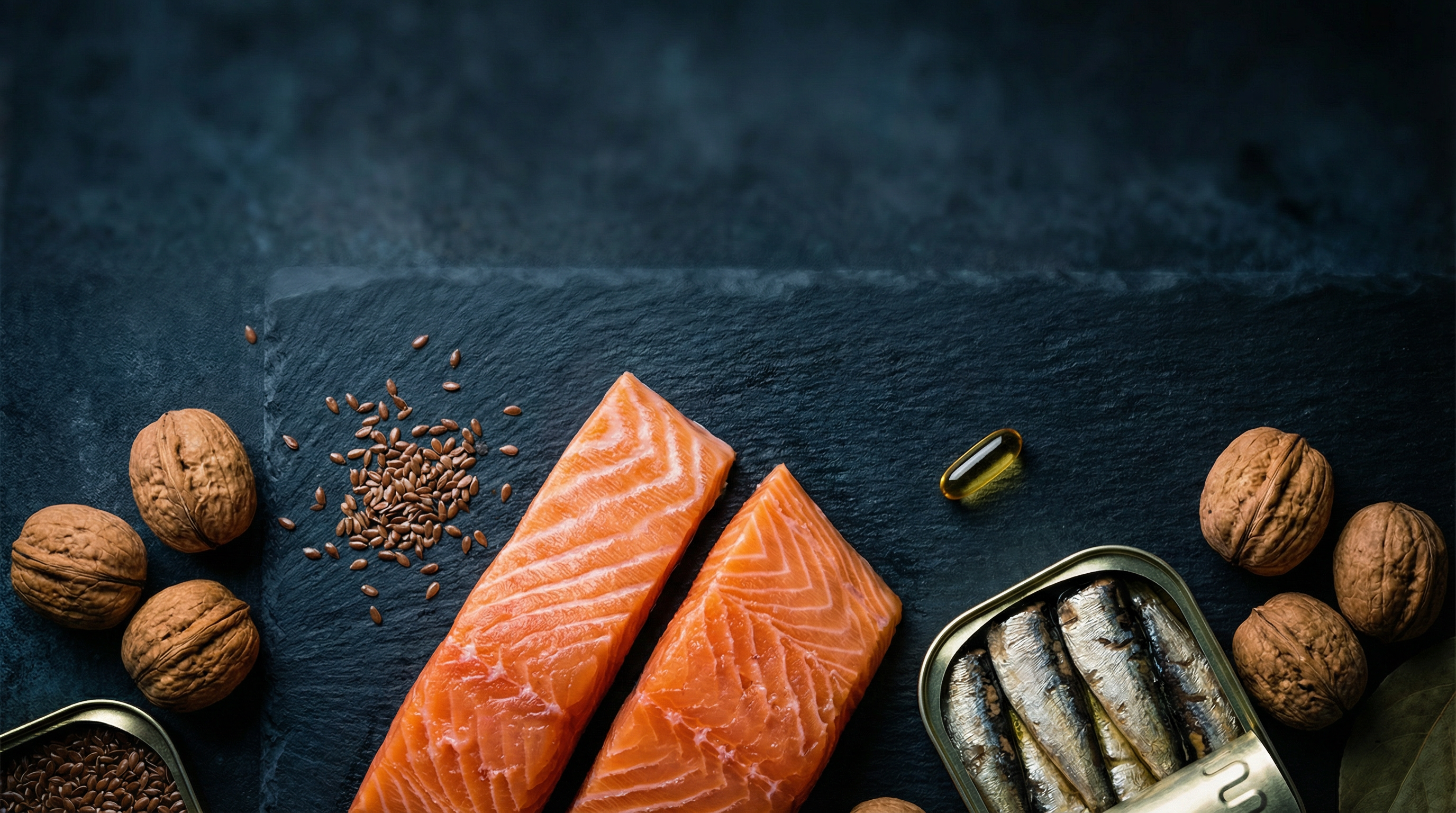
Read article →Blueberries, fatty fish, turmeric, walnuts — specific foods raise BDNF significantly. Here's what to eat and why diet alone is never quite enough.
Read article →Neuroplasticity research shows that much of what we call memory loss is reversible. Here's the honest evidence on what works, realistic timelines, and genuine limits.
Read article →Attention networks, the Default Mode Network, flow states, and the neuroscience-based hierarchy of solutions that actually move you from scattered to sustained.
Read article →The neurological reason willpower-based focus strategies fail — and what the Default Mode Network actually is, and how to suppress it.
Read article →The neuroscience of ego depletion and why your best cognitive work must happen before the decision load depletes your prefrontal cortex.
Read article →Transient hypofrontality, the theta-flow connection, and a repeatable protocol for entering the peak performance state on demand.
Read article →Dopamine loops, attention residue, and the structural rewiring that chronic digital distraction causes — and how to reverse it.
Read article →Lo-fi vs. classical vs. binaural beats — a definitive science-based ranking of which focus audio actually modulates your brain state versus which merely masks noise.
Read article →Evidence-informed complementary strategies for ADHD focus — always in addition to professional medical care, with appropriate context throughout.
Read article →A neuroscience-based comparison of the three most popular productivity systems — and the missing neurological layer that makes all of them work better.
Read article →The ultradian rhythm, post-lunch glucose, and cortisol decline that combine to cause the afternoon slump — and the neurological reset that actually resolves it.
Read article →The definitive six-tier biohacking framework — sleep, brainwave entrainment, cold exposure, fasting, HRV, and supplementation — with the neuroscience behind every intervention.
Read article →Hebbian plasticity, BDNF, and the theta-wave window that makes new neural connections actually stick — not just temporarily form.
Read article →An honest head-to-head comparison of two of the most popular cognitive biohacks — with the mechanisms, the research, and the reason most biohackers use both.
Read article →EEG studies have captured exactly what meditation does neurologically — and the results reveal why most people plateau, and how to access the same brain states without years of practice.
Read article →Heart rate variability predicts prefrontal cortex performance better than any other wearable metric — here's why, and how theta entrainment improves your HRV over time.
Read article →The exact science-based morning sequence — HRV check, light exposure, cold shower, theta entrainment, deep work — that sets peak cognitive performance for the entire day.
Read article →Ketosis, BDNF elevation, and autophagy — the three mechanisms through which intermittent fasting directly improves cognitive performance, and how to use them strategically.
Read article →A biohacker's clear comparison of three key brainwave frequencies — with a definitive answer on which to target first and why the sequence matters more than most people realize.
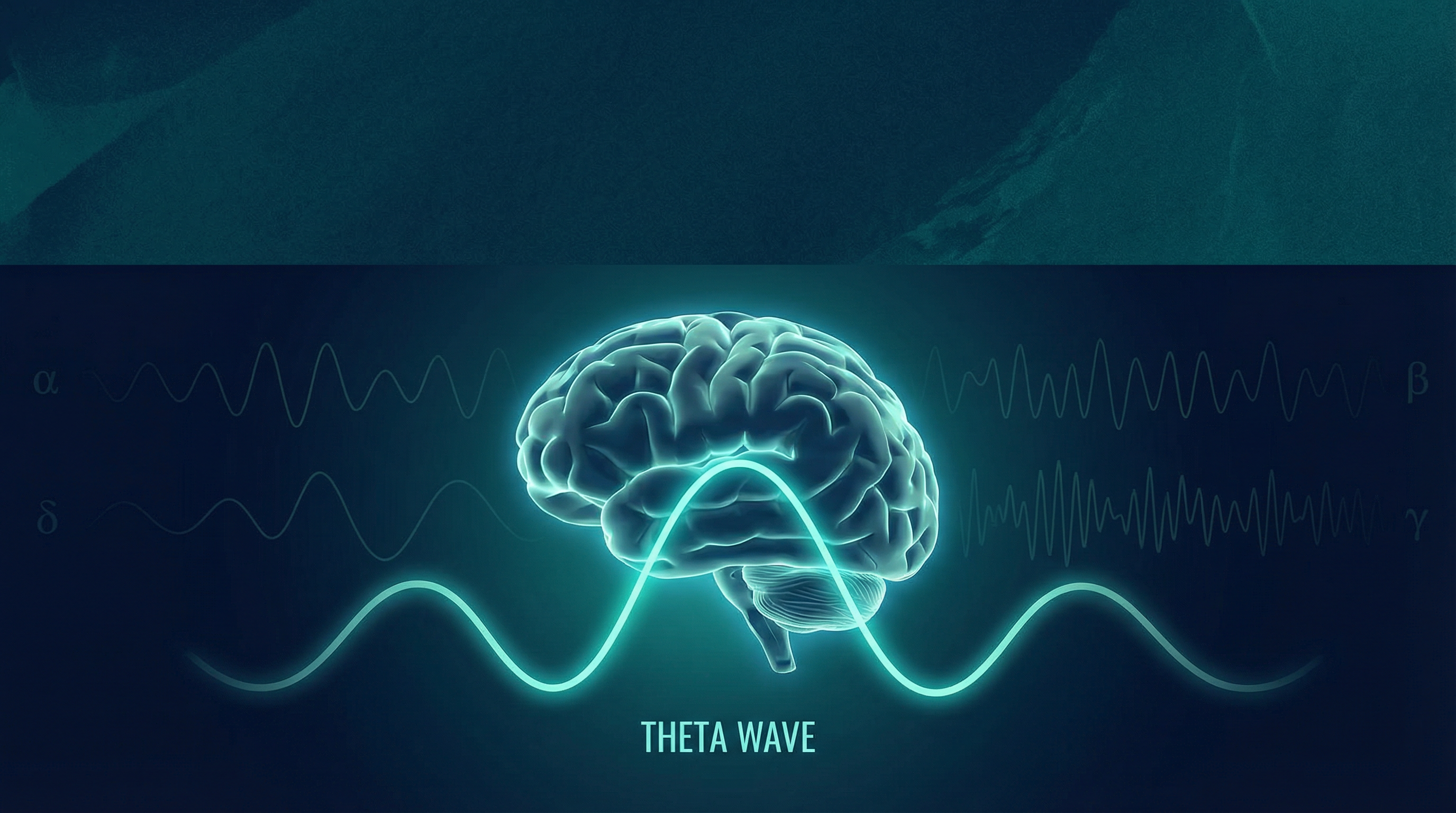
Read article →The definitive guide to all five brainwave types — what each frequency does, when it appears, and why theta is the single most important state to understand for cognitive performance.
Read article →The hippocampus runs on theta rhythm. Here is the deep-dive science of the 4–8 Hz frequency — memory encoding, creative insight, flow states — and how to access it deliberately.
Read article →An honest, citation-heavy review of the binaural beats science — the studies, the mechanism, what effect sizes look like, and what realistic outcomes to expect from consistent use.
Read article →A technical comparison of both entrainment methods — their mechanisms, research evidence, practical differences, and how the best programs combine them for stronger results.
Read article →Research-based timelines for both immediate session effects and long-term cumulative cognitive improvements — and the key variables that determine how fast you'll notice results.
Read article →What did Tibetan monks, Albert Einstein, and Mozart have in common neurologically? The fascinating science of theta brainwaves and what history's most creative minds were actually doing.
Read article →Why audio compression, frequency precision, and session design make a genuine technical difference — not just a marketing one — and what to look for in a quality entrainment recording.
Read article →A safety review for daily binaural beat use — what the research says about long-term effects, real contraindications to know, and best practices that maximise both safety and results.
Read article →An honest critique of the nootropics industry, what the evidence actually supports, and a hierarchy of interventions that outperform most supplement stacks at a fraction of the cost.
Read article →We reviewed the peer-reviewed evidence for 12 popular cognitive supplements — here's what the research actually shows, and what to try instead.
Read article →Ashwagandha has real evidence for cortisol reduction — but does that translate to clearer thinking? Understanding when it works, when it doesn't, and what to combine it with.
Read article →Lion's mane stimulates NGF and BDNF — some of the most credible evidence in the supplement space. But there's a question worth asking: what if you could stimulate BDNF without any supplement?
Read article →Two years of nootropic stacks, hundreds of dollars spent, detailed tracking. Then I discovered something that worked better, cost less, and was fundamentally simpler.
Read article →$80–200 per month, indefinitely, for mixed results. Here's the honest cost breakdown of a serious nootropics habit — and what $39 one-time can deliver instead.
Read article →Omega-3 fatty acids are the gold standard of brain supplements — but even they are supportive rather than transformative. Here's what they do, at what dose, and what they can't do.
Read article →Microdosing is trending in productivity circles — but the legal risk is real and the controlled evidence is weaker than reported. An objective review of the research and a legal alternative.
Read article →The definitive guide to what caregiving does to the brain — hypervigilance, compassion fatigue, decision fatigue, cortisol overload — and the evidence-based framework for recovering from all of it.
Read article →Grey matter reallocation, oxytocin-driven hypervigilance, hippocampal changes from sleep loss — here's the hard science that validates everything new mothers experience cognitively.
Read article →Raising children while supporting aging parents creates a unique neurological burden most people never fully appreciate. Here's what dual caregiving does to the brain — and what actually helps.
Read article →You don't have an hour. Five evidence-backed self-care options that fit inside the margins of actual caregiver life — starting with the one that works neurologically in 12 minutes flat.
Read article →It's not just sleep loss. The maternal brain's permanent threat-scanning mode keeps the nervous system running at elevated activation 24/7. Here's the science — and the neurological off-switch.
Read article →Wine numbs. Netflix distracts. Neither actually resets the brain. Here's what your stressed brain needs after a relentless day — and why a 12-minute audio session outperforms both neurologically.
Read article →For nurses, social workers, parents, and every carer who gives until it hurts — compassion fatigue has a measurable neurological footprint. Here's what's happening, and how the brain recovers.
Read article →Spaced repetition, brainwave states, memory encoding, test anxiety, and the complete study protocol that works with your brain's biology rather than against it.
Read article →Why most studying fails at the encoding stage — and the retrieval-based methods that make information actually stick in long-term memory.
Read article →A research-backed breakdown of lo-fi, classical, nature sounds, and binaural beats — with a clear winner that most students never try.
Read article →Cortisol, the prefrontal cortex, and why you blank in exams — plus the pre-exam audio protocol that lowers cortisol and restores access to what you know.
Read article →Ultradian rhythms, cognitive load, and the study session structure that maintains sharp encoding quality across a full study day.
Read article →Alpha and theta serve different learning phases. Here's when you need each state — and how to engineer your brain's electrical frequency before every study block.
Read article →Adding theta entrainment before your Anki sessions amplifies the retrieval-induced LTP that makes spaced repetition work — here's the neuroscience and the exact protocol.
Read article →