The Old View: Why We Thought Memory Loss Was Permanent
Until the 1990s, the dominant scientific consensus held that neurogenesis — the birth of new neurons — did not occur in the adult brain. Neurons you were born with were neurons you'd have for life. Lose them (through aging, injury, or disease) and the loss was permanent. Memory decline was therefore understood as a strictly degenerative process: neurons dying, synaptic connections weakening, and cognitive capacity ratcheting downward with no path back.
This view shaped how entire generations approached aging. You accepted cognitive decline as inevitable, perhaps slowed it slightly with crossword puzzles and social engagement, but fundamentally expected memory to diminish year by year until it crossed into clinical territory. The diagnosis of "age-related cognitive decline" carried an implicit finality that discouraged intervention.
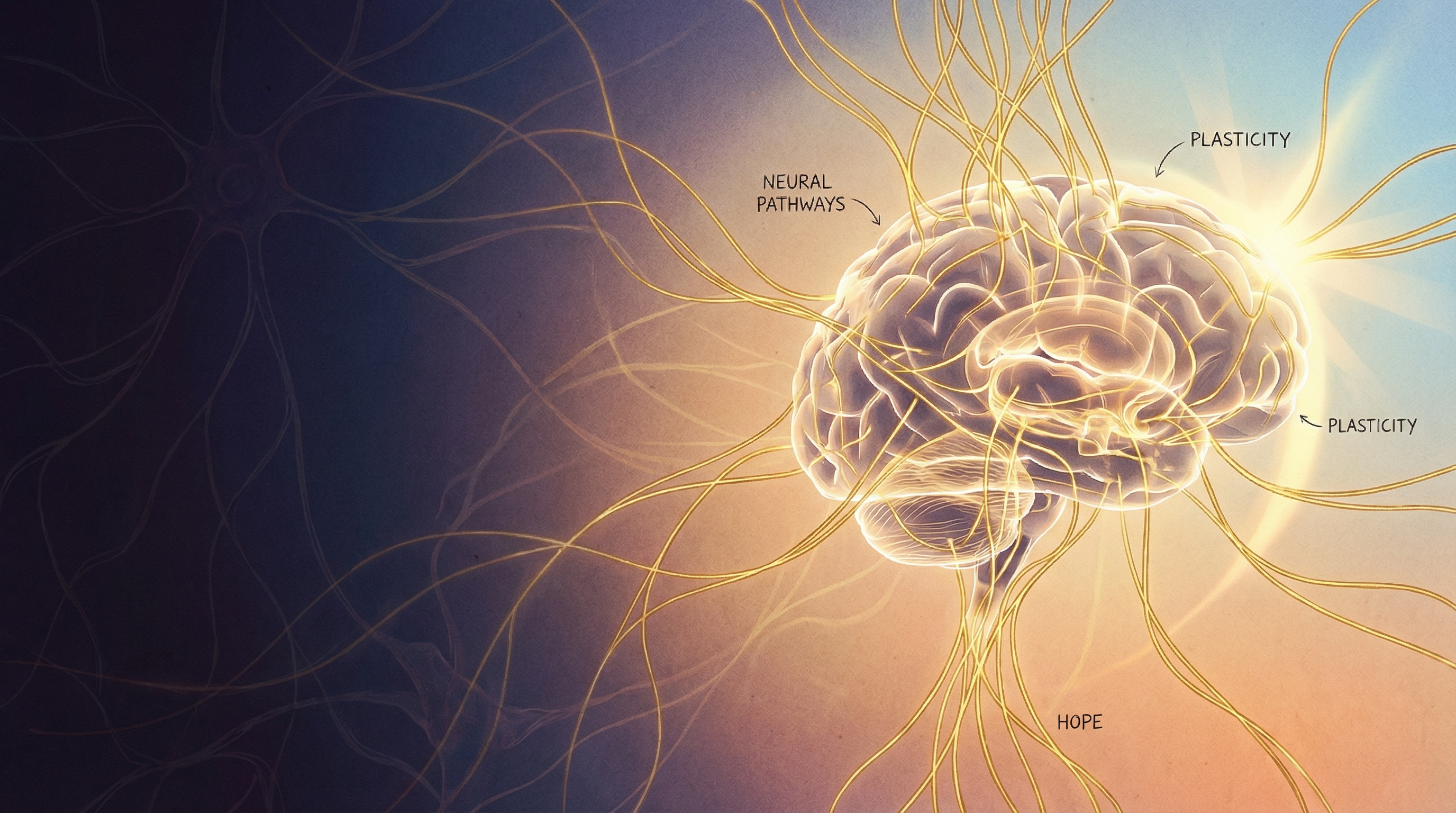
The discovery of adult hippocampal neurogenesis — confirmed in human brains in 1998 and subsequently replicated many times — overturned this framework. The hippocampus, the brain region most critical for memory formation, turned out to generate new neurons throughout adult life. And critically, the rate of this neurogenesis was not fixed: it was powerfully modulated by behaviour, lifestyle, and environment.
Is a Foggy Brain Holding You Back?
Download the free Brain Fog Fix Guide and discover the 12-minute audio technique that thousands use to restore mental clarity — no supplements, no meditation required.
Get the Free Guide →Neuroplasticity: The Science That Changed Everything
Neuroplasticity — the brain's capacity to reorganise itself by forming new neural connections and pruning unused ones — is not a single phenomenon but a family of related mechanisms. For memory recovery specifically, the most relevant forms are:
Synaptic Plasticity
The strength of connections between individual neurons can increase (long-term potentiation, LTP) or decrease (long-term depression, LTD) based on activity patterns. LTP is the molecular basis of learning and memory formation. It requires BDNF, adequate sleep, and specific oscillatory brain states — particularly theta wave activity in the hippocampus. Weakened synaptic connections can be strengthened through the same conditions that originally built them: meaningful experience, deliberate practice, and the right neurochemical environment.
Structural Neuroplasticity
Beyond individual synapses, the brain's physical structure changes measurably in response to experience. Hippocampal volume — the single best structural predictor of memory capacity — increases with aerobic exercise and decreases with stress, sedentary behaviour, and poor sleep. This is not metaphorical: MRI studies document measurable cubic millimetre changes in hippocampal grey matter volume in response to interventions.
Adult Neurogenesis
New neurons born in the hippocampal dentate gyrus integrate into existing memory circuits over 4–6 weeks. Young neurons are more excitable and have lower thresholds for LTP induction than mature neurons — meaning they are disproportionately important for encoding new memories. Exercise, BDNF, and theta states dramatically increase neurogenesis rates; chronic stress, sleep deprivation, and alcohol suppress them.
What Types of Memory Loss Are Reversible
Not all memory decline is the same, and the reversibility profile varies significantly by type and cause.
Age-related episodic memory decline — the normal gradual decline in autobiographical memory, name recall, and learning speed that begins in the forties — has strong evidence for partial to substantial reversal through lifestyle intervention. The mechanisms (hippocampal volume loss, BDNF decline, sleep architecture changes) all respond to targeted intervention.
Working memory decline — the reduced capacity to hold and manipulate information simultaneously — responds well to aerobic exercise, sleep improvement, stress reduction, and brainwave training. Recovery timescales are typically shorter (weeks rather than months) because working memory is less structurally dependent than episodic memory and responds more rapidly to neurochemical changes in the prefrontal cortex.
Stress-induced memory impairment — the acute and chronic memory problems caused by cortisol suppressing hippocampal function — is highly reversible once the stressor is removed or managed. This is why memory problems that appear during high-stress life periods (divorce, bereavement, job loss) often resolve substantially when the stress eases.
Sleep-deprivation-related memory decline — similarly highly reversible once sleep is restored, though the timeline depends on the duration and severity of deprivation. Chronic sleep debt (years of poor sleep) may require sustained sleep improvement over months to see full cognitive recovery.
The Reversible Causes Most People Miss
Before attributing memory decline to "just aging," it's worth examining several frequently overlooked medical causes that are fully reversible when identified and treated. These are worth raising with a doctor if memory decline has been rapid or severe:
- Depression — one of the most common causes of apparent memory loss in adults over 50. Depression suppresses hippocampal BDNF, reduces sleep quality, impairs attention and encoding, and produces subjective memory complaints that can closely mimic early dementia. Treating the depression frequently resolves the memory symptoms.
- Hypothyroidism — subclinical thyroid insufficiency is associated with cognitive slowing and memory complaints in older adults, particularly women. A simple blood test (TSH) screens for this, and thyroid hormone replacement often produces dramatic cognitive improvement.
- Vitamin B12 deficiency — B12 is essential for myelin maintenance and neurological function. Deficiency (common in adults over 60 due to reduced gastric absorption) produces memory and processing speed deficits that are fully reversible with supplementation.
- Sleep apnoea — undiagnosed obstructive sleep apnoea causes severe fragmentation of slow-wave and REM sleep, gutting the memory consolidation that happens overnight. Treatment with CPAP produces measurable cognitive improvement, sometimes dramatic.
- Medication side effects — benzodiazepines, certain antihistamines, anticholinergics, and beta-blockers all impair memory as a side effect. Reviewing medications with a physician can sometimes resolve memory issues without any other intervention.
For context on distinguishing normal aging from concerning memory decline, see our article on early signs of memory loss.
Exercise: The Strongest Evidence for Structural Recovery
The landmark evidence for reversing memory loss comes from exercise research. A 2011 study published in PNAS by Kirk Erickson and colleagues found that older adults randomised to one year of aerobic exercise increased hippocampal volume by 2% — effectively reversing 1–2 years of age-related hippocampal atrophy — compared to a control group that showed further decline. Memory performance improved alongside the structural changes.
The mechanism runs through BDNF. Aerobic exercise produces a sustained BDNF spike that peaks at 20–30 minutes of sustained moderate-intensity activity. BDNF then promotes both synaptic strengthening (LTP) and hippocampal neurogenesis — the two key structural mechanisms of memory recovery. The effect is dose-dependent and cumulative: more consistent exercise produces larger hippocampal volume gains.
A 2014 meta-analysis in Psychological Bulletin confirmed aerobic exercise's unique position: of all the interventions studied, it consistently produced the largest effects on memory in older adults, with particular strength in episodic memory — the type most affected by normal aging. The recommendation emerging from the evidence is 30–45 minutes of moderate-intensity aerobic exercise (brisk walking, swimming, cycling, jogging), three to five times per week.
Sleep Optimisation and Memory Recovery
The second most evidence-supported pathway to memory recovery is sleep optimisation. Memory consolidation — the process by which the hippocampus transfers experiences to long-term cortical storage — happens almost exclusively during sleep, particularly during slow-wave sleep (N3) and REM sleep. Consistently poor sleep doesn't just prevent new memory formation; it actively degrades existing memory traces over time.
Sleep optimisation strategies with the strongest evidence for memory recovery include:
- Consistent sleep and wake times (circadian regulation maximises SWS and REM architecture)
- Eliminating alcohol within three hours of bedtime (alcohol destroys REM sleep even in small amounts)
- Managing light exposure (blue light suppresses melatonin; reducing it in the evening improves sleep depth)
- Treating sleep apnoea (CPAP compliance produces significant cognitive recovery in many patients)
- Cooling the sleep environment (hippocampal consolidation is impaired by elevated core body temperature)
For the detailed neuroscience of how sleep drives memory recovery, see our article on sleep and memory consolidation.
The Brainwave Approach to Neuroplasticity
One of the most exciting developments in memory recovery research is the growing evidence that brainwave states directly modulate the neuroplastic mechanisms that drive recovery. Theta oscillations (4–8 Hz) are not merely a byproduct of memory activity — they are its mechanistic prerequisite. Long-term potentiation, the cellular process by which memories are formed and strengthened, requires theta-frequency input to the hippocampus. Adult neurogenesis rates correlate with hippocampal theta power. BDNF expression is upregulated during sustained theta states.
This creates a direct rationale for deliberately inducing theta states as a memory recovery tool. Experienced meditators — who spend extended periods in theta — show measurably better memory performance, higher hippocampal BDNF, and slower hippocampal aging than non-meditators matched on other lifestyle factors. The challenge is that genuine theta meditation requires months to years of consistent practice to develop reliably.
Brainwave entrainment — using precisely engineered audio stimuli (binaural beats, isochronic tones) to encourage the brain to synchronise to a target frequency — offers a shortcut to these theta states without the long learning curve. A 2019 review in Frontiers in Human Neuroscience examined 20 controlled studies on brainwave entrainment and cognitive function, finding consistent evidence for improvements in working memory, sustained attention, and mood when the target frequency fell in the theta-alpha range.
For regular users, the accumulative effect of daily theta entrainment sessions appears to promote the same chronic neuroplastic changes that meditation produces over longer timescales: elevated baseline BDNF, improved sleep architecture (particularly slow-wave density), and reduced cortisol that allows hippocampal recovery. Explore the full science at our complete guide to brainwave science and audio entrainment. For the neuroplasticity mechanisms specifically, see the biohacking cluster's article on how neuroplasticity actually works.
The Genius Song
A professionally engineered 12-minute theta brainwave audio program designed to promote the neural state most associated with memory recovery, BDNF upregulation, and hippocampal neuroplasticity. Used daily, it creates the conditions in which the brain's own repair mechanisms can function at their best. $39 one-time · Lifetime access · 90-day money-back guarantee via ClickBank.
Click here to try The Genius Song →Affiliate disclosure: This is an affiliate link. I may earn a commission at no extra cost to you.
Realistic Timeline: What to Expect
One of the most common frustrations with memory recovery is expecting overnight results from interventions that work on biological timescales. Here is an honest timeline based on the research evidence:
Days 1–7: Sleep improvement produces immediate benefits to next-day memory performance. A good night's sleep after a period of deprivation produces noticeable cognitive improvement within 24 hours. Stress reduction similarly produces rapid effects on working memory through cortisol mechanisms.
Weeks 2–4: Theta brainwave entrainment effects become measurable in controlled studies at 2–4 weeks of daily use. Mindfulness meditation effects on attention and working memory appear in this window. You may notice subjective improvements in focus, word retrieval, and mental clarity.
Weeks 4–8: Exercise-induced BDNF upregulation produces measurable improvements in episodic memory at 4–8 weeks of consistent aerobic training. Sleep architecture improvements (more slow-wave sleep) become established. Hippocampal neurogenesis rates increase, though new neurons take 4–6 weeks to integrate into memory circuits.
Months 3–6: Structural hippocampal volume changes become statistically detectable on MRI. Memory improvements are substantial and self-reported consistently. The combination of exercise, sleep, stress reduction, and theta entrainment by this point has addressed every major mechanism of age-related memory decline.
6+ months: Sustained intervention at this stage shifts from recovery to building cognitive reserve — the accumulated neural resilience that buffers against future decline. Adults who maintain these practices show slower cognitive aging trajectories that compound over decades.
When Memory Loss Is Not Fully Reversible
Honesty requires acknowledging where the limits of reversibility lie. Not all memory loss is age-related functional decline — and not all of it responds to the interventions described above.
Alzheimer's disease and other progressive dementias involve irreversible neurodegeneration — amyloid plaques, tau tangles, and neuronal death that lifestyle interventions cannot undo. Lifestyle changes (exercise, sleep, diet) can slow progression and may improve quality of life, but they are not a reversal. If memory loss is rapid, affects basic daily functioning, or is accompanied by language difficulties, spatial disorientation in familiar places, or significant personality changes, prompt medical evaluation is essential. Early diagnosis of progressive conditions allows earlier access to both pharmacological and non-pharmacological management that improves outcomes.
The good news is that the vast majority of memory complaints in adults under 70 are not early Alzheimer's. They are age-related functional decline, stress-impaired function, sleep-deprived performance, or one of the treatable medical causes outlined earlier — all of which respond to targeted intervention.
Frequently Asked Questions
Can age-related memory loss really be reversed?
Yes, partially. Research shows that age-related memory decline — driven by hippocampal shrinkage, BDNF decline, and sleep architecture changes — is largely reversible through exercise, sleep optimisation, stress reduction, and neuroplasticity training. Structural hippocampal recovery has been documented in randomised controlled trials using MRI.
How long does it take to reverse memory loss?
Measurable improvements in memory performance appear within 4–8 weeks of consistent intervention, particularly with exercise and sleep improvement. Structural changes — actual hippocampal volume increase — take 3–6 months of sustained aerobic exercise to reach statistical significance in imaging studies. The process is gradual but consistent.
What is the most effective way to reverse memory decline?
Aerobic exercise is the single most evidence-supported intervention for reversing memory decline. It raises BDNF, promotes hippocampal neurogenesis, improves sleep architecture, and reduces cortisol — addressing every major mechanism simultaneously. Combined with sleep optimisation and stress reduction, the effects are substantially amplified.
Can you reverse dementia-related memory loss?
Dementia-related memory loss is different from age-related decline and is not fully reversible with lifestyle changes. However, early intervention can slow progression significantly. Importantly, many apparent "early dementia" presentations are actually reversible causes of memory decline — depression, medication side effects, sleep apnoea, hypothyroidism — that should be ruled out through medical evaluation first.